The corpse of esotericism, reanimated for congress use.
Esotericism generally flaunts itself in drab inners, home to dull lodgers — where there is nothing really exciting to speak of. (Occult) academics, equipped with a desiccated body of rules and insipid formulae, but usually out of touch, have begun to take interest in their very own Weltanschauung, which they ceaselessly reproduce in vitro, turning it into an endless series of marketable products for publication, which can also be conveniently bled dry at so-called international congresses. Once dead, the corpse of their Weltanschauung is disembowelled asexually and given a first-class burial. But no, it may not rest in peace — it is shaken and rattled again and again until people are sure that the skeleton has been brought back to life and re-invigorated. The master of ceremonies, often supported by an overstuffed book antiquarian with a fixed and ghastly smile, hurries around, trying to inject some life into the corpse of the evening. But to no avail.
In their script, though, there are gaping holes spread between suspicion and alibi. The suspicion: these people are fully-fledged esoterics. Their alibi: a doctorate or professorship. The crime scene: academic reviews and publications, in which sterile science fetishists relegate the juices of life that are actually inherent to their worldview of the unconscious, just as if the human body were no more than a breeding ground for malfunctions. Every now and then one suspects having been exiled to a physician’s waiting room.


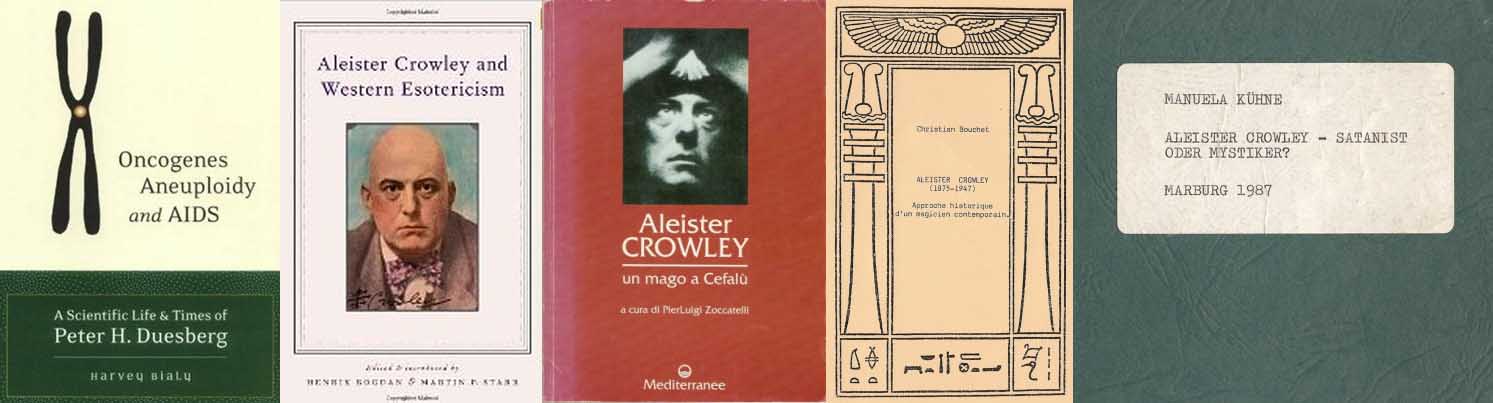
Aleister Crowley’s sexmagical system

“‘Let’s face it,’ Bill [Breeze, chief of the American O.T.O.] proffered, after an embarrassed silence, ‘the future of Thelema belongs to academics. We’re the past.’”
[Allen Greenfield, 27 September 2006, tausirhasirim.livejournal.com/46617.html.]
There is nothing more that esotericism aspires to than to be taken seriously: seen as pure of body as well as pure of any somatophobic thought, as exemplified by racism, anti-Semitism and antidemocratic resentment — for example, as found in Thelema.
Only the Will not to create a wrong impression prevails, and therefore the irrational is mystified and exempt from reflection.

Because the academic esoteric’s artificiality leads them to outbid each other in conveying a proper and accepted attitude, they create a detrimental image of neglect, into which they retire whenever reflecting on themselves.
They want to emerge from the underground of the Occident and reach the shores of the conscious, while in truth employing mechanisms for suppressing it.
Their method: to deploy ideology, to fall back on obscurantism, irrationality, sophistry and excuses, and to display general ineptness as a means of adapting to the corpse of esotericism. That corpse now stumbles on a stage shrouded in aphorisms, momentous announcements and banalities disguised as wisdom, as if intent on carving the mot du jour, or a summary of the proceedings, in stone — into its own tombstone.
The pseudo-scientific respectability of esoteric academia expresses itself in relationships of mutual dependency, which allow only for weak opponents. As soon as there is any indication of danger — namely, the exposure of the academics as adherents of the esoteric Weltanschauung — any previous exchange of niceties immediately stops and the Other is ignored.
Everything is subject to a one-sided codification of inferiority complexes, undecipherable save for its foundation on its own internal logic. That which cannot be subjugated is regarded as insignificant and not worth analysis. To deal with such leftovers, or indeed a delegated self, would mean turning towards alternatives in contemplation.

“Mockery is our greatest enemy.”
[Hermann Joseph Metzger, EOL-Mitteilungsblatt No. 10, Zurich 1955, p. 4; and Oriflamme No. 137, Zurich 1973, p. 1566. Text for Easter 1950. Likewise in a letter to Eugen Grosche of 21 May 1951.]
Too strong an effort. Too painful. Too shameful, because somewhere, sometime one has gotten involved with strange insignia, long ribbons and black frocks fluttering in solemn acts of initiation, while weird knocking sounds are heard, and assignments and missions are pronounced whose purpose remains secret?
Creativity and original thought are eliminated, because they are “inefficient” — or uncontrollable.


At the same time as New Age is spreading in academia, the internet grows into an integral part of the mainstream.
While academia remains bound to reactionary mechanisms relying on prestige and money, the internet breaks the monopolisation of knowledge and allows junk-postmodernism to flow into the living rooms.
This context seems to serve as an invitation to behaviour according to one of the principles of psychoanalysis: instead of focusing one’s attention, one allows it to take in anything floating around in that new cloud, where the value of knowledge is subject to constant change.
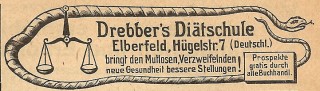
A credentialed rummage sale in slow motion.
Academia now brings forth a new cultural-technological gap. The valid is viewed in contrast to dubious contributions that are supposedly distinguishable, depending on which side of the gap they are situated. Work on paper is deemed valid; anything digital is ruled untrustworthy. Within this incestuous circle of the ever-same (occult) academics and self-imposed pressure, the esoteric world proceeds to produce more and more self-referential encyclopaedia. Contrary to their aim of reaching the mainstream, a lot of esoteric academic groups behave more and more like hermeneutic readers’ circles, where every single letter of the alphabet ever used within their heroes’ sphere of influence is either recycled endlessly or scientifically reduced to tatters, in order to lend it importance and meaning.

In academic slow motion, the simplest facts are turned upside down, rolled around by academic scarabs — in their leisure time maybe not averse to posing on Egyptian stage sets where turbans and pillars are part of the repertoire — reduced to rhetorical DNA, noted, re-noted, read and re-read until the last contemporary can easily parrot the entire lot. People who have dealt with the occult only marginally are retrieved from the depths of oblivion by way of biographies or studies, which come along like official funeral notifications or obituaries. Because personnel is scarce, those suddenly anointed are glorified beyond recognition, portrayed as persons of religious or academic greatness, or mummified by administration of the usual sterile recipes as heroes of esotericism — published witnesses to its failure to be taken seriously. Distress signals from a dying concept.
Intellectual standstill and radical conservatism reign. The only sound is the rustling of mutual burials in footnotes, the Science Citation Index, and the Impact Factors. Where there should be questions and openness, there are templates, after which postmodernity leaves nothing but reconstruction according to the principles of rummage sales.
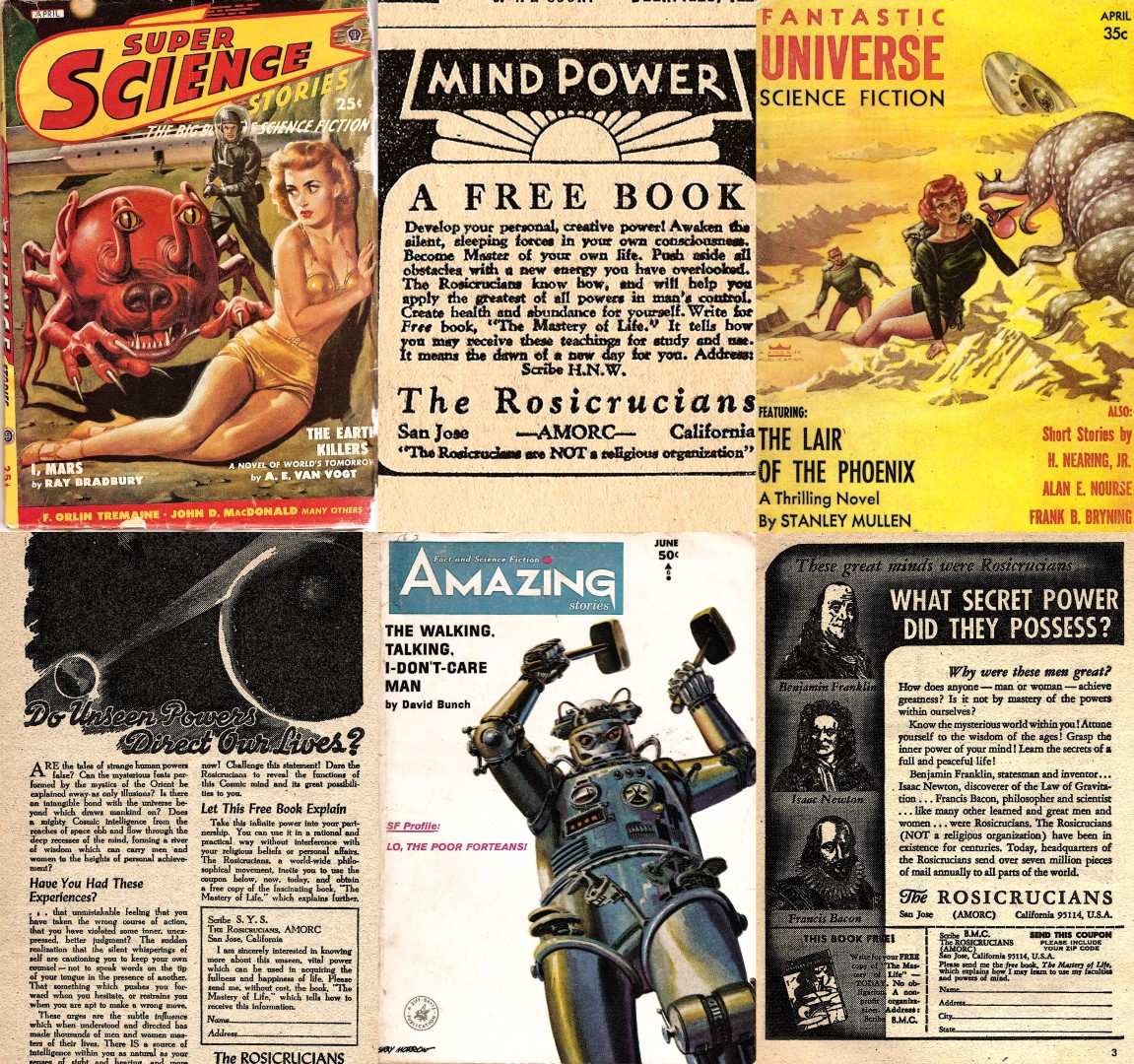
Thus its methods seem to be stuck at the point from which esotericism had taken off into the mainstream by means of early mass media — newspapers, radio, travelogues, novels, pulp — at the turn of the twentieth century.

The market had understood occultism before academia applied for permission to notice it.

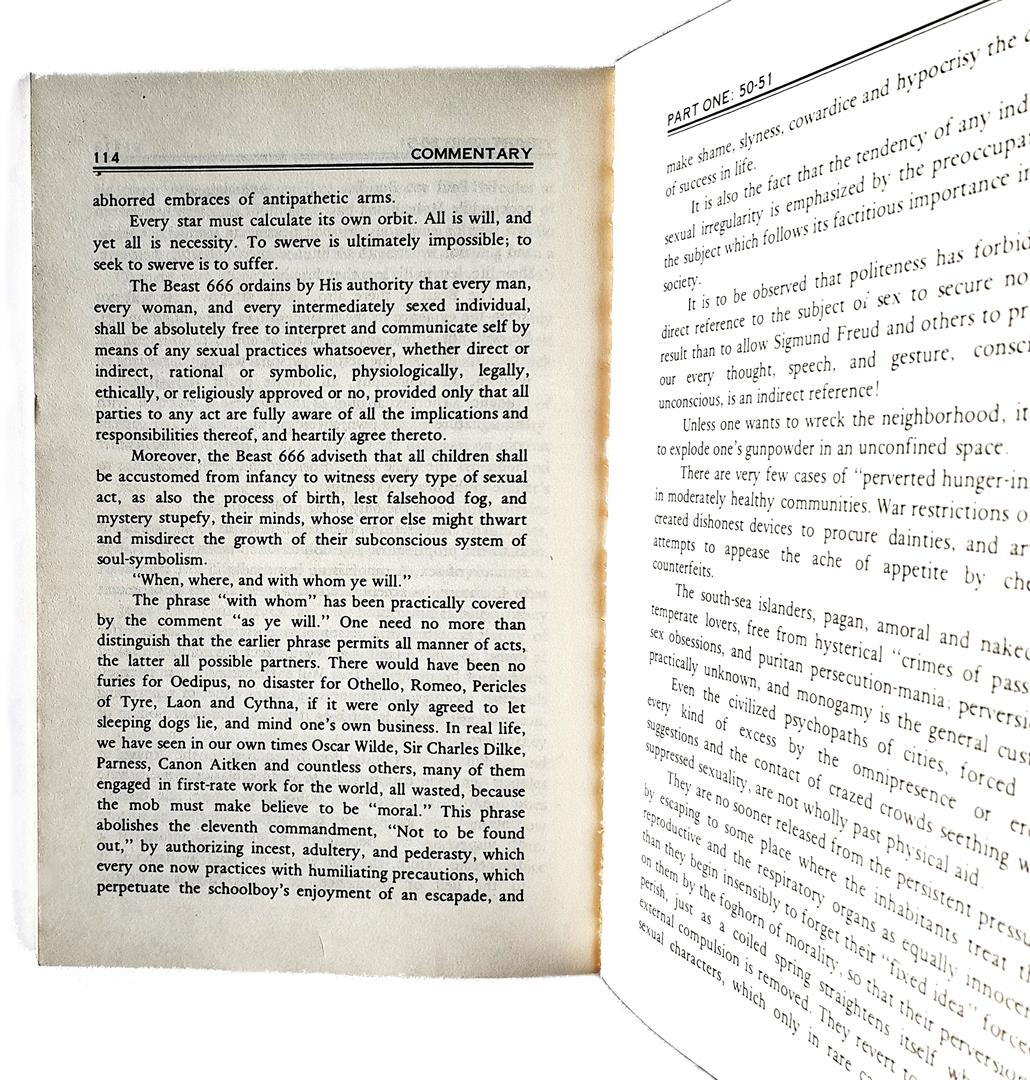
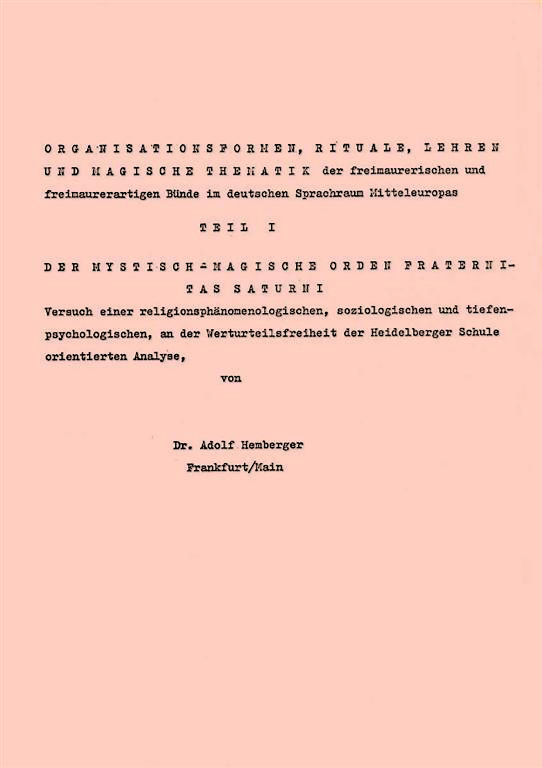
“THE LAW IS FOR ALL.
An Extended Commentary on THE BOOK OF THE LAW
by Aleister Crowley”
Edited with an Introduction by Israel Regardie, Arizona 1975.
“Moreover, the Beast 666 [Crowley] adviseth that all children shall be accustomed from infancy to witness every type of sexual act.” [page 114]


Against the embalming of knowledge.
In alternative models, however, the texts esoteric academia pretend to think about would not only be interconnected by links to a particular author, or by quick-freezing their meaning, but rather by breaking away from prejudice, while the person contemplating them releases their relation to the texts.
In place of mere knowledge about the esoteric, a new narrative of esotericism and its protagonists could be developed.
By enabling distancing and relating seemingly irreconcilable things to each other, ironic humour also opens our eyes to the fact that the quality of reflection could be measured not least by the quality of transgressions.
The ability to innovate and humour are related in that they create progress in understanding through unusual associations and imagination.
New models of research would not isolate texts as self-referential knowledge, simmering away in a comfortable niche miles away from the mainstream and only accessible to one single discipline. New models could emphasise the importance of understanding one context also by looking into another, excluding the privileging of any of the texts. Finally, the production of knowledge could be taken to new shores.

There are many critical theories, but I do not adhere to any single one — because, in the end, they all have their uses. I do not approach texts, ideas, or people as if they were patients. Rationality, after all, is highly subjective. Or, as Paul Karl Feyerabend, the Austrian philosopher of science, put it: anything goes.
The suitability of methods for thinking about occultism and esotericism is often judged by their results — though what counts as a result is another question entirely. As long as the insights remain discursive, innovative and stimulating, even the most informal or unconventional approaches are not just permissible but necessary. Theories do not drive evidence, nor should they. Analysis, then, is less about arriving at conclusions than about sustaining a dialogue between subject and researcher — one that can only ever yield provisional insights. Wayward ideas, however, can and should be viewed from wayward perspectives.
Reading Paul-Michel Foucault, Roland Barthes, Jacques Derrida, Félix Guattari and Gilles Deleuze, or venturing into the works of Georges Bataille, Antonin Artaud, Terence Sellers, Jean Barraqué, Hermann Broch, Alain Robbe-Grillet, Maurice Blanchot and Comte de Lautréamont (Isidore Ducasse), will not harm you. Have you tried Jacques-Marie Émile Lacan?
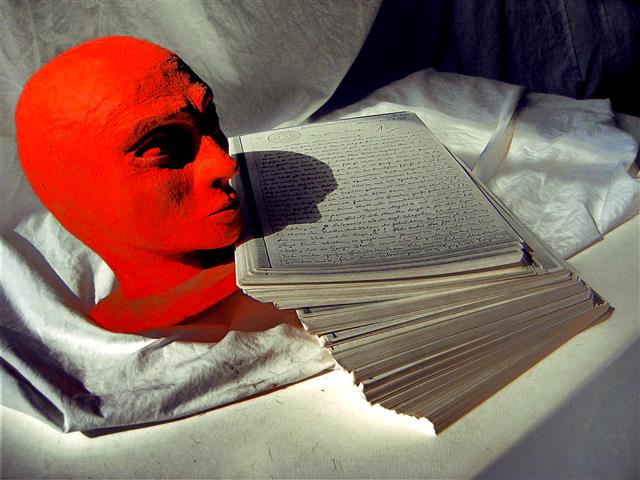
Archival debris, preserved.
© Peter-R. Koenig, 2012.
Translation was provided by Kon Vlahos and Mark Parry-Maddocks.

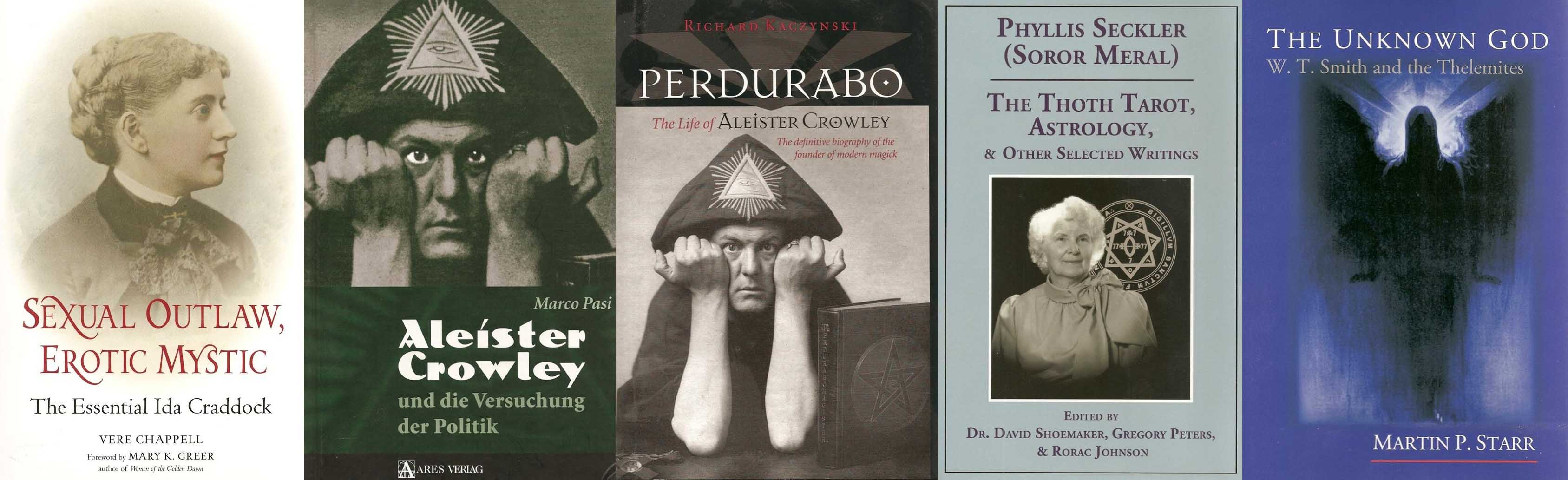
Vintage sources above: Prana, Zentralorgan für praktischen Okkultismus, Schriftleitung Karl Brandler-Pracht, Dr. Hugo Vollrath Verlag, Leipzig 1909–13.








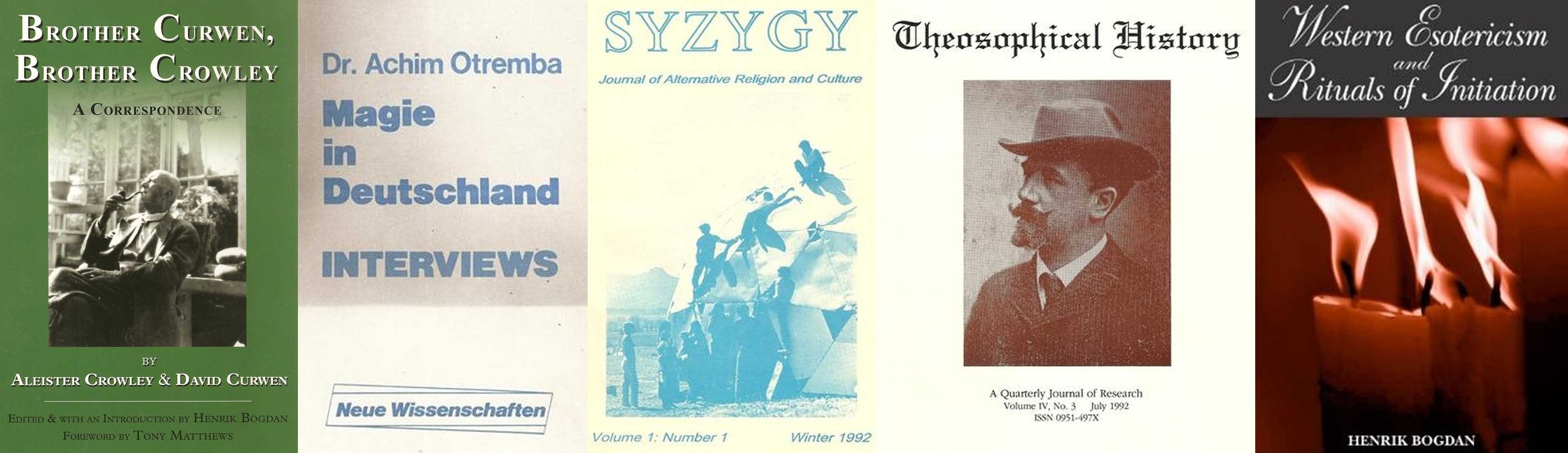
Above: from the Swiss O.T.O.’s magazines “Ex Oriente Lux” and “Oriflamme”.
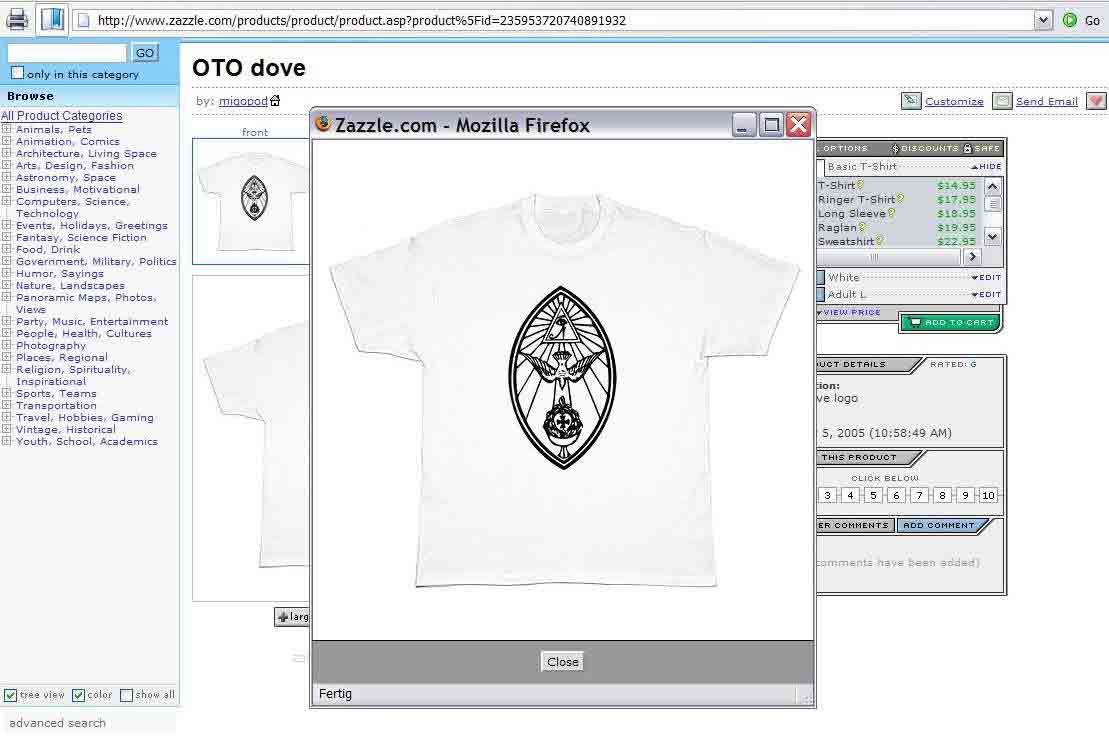
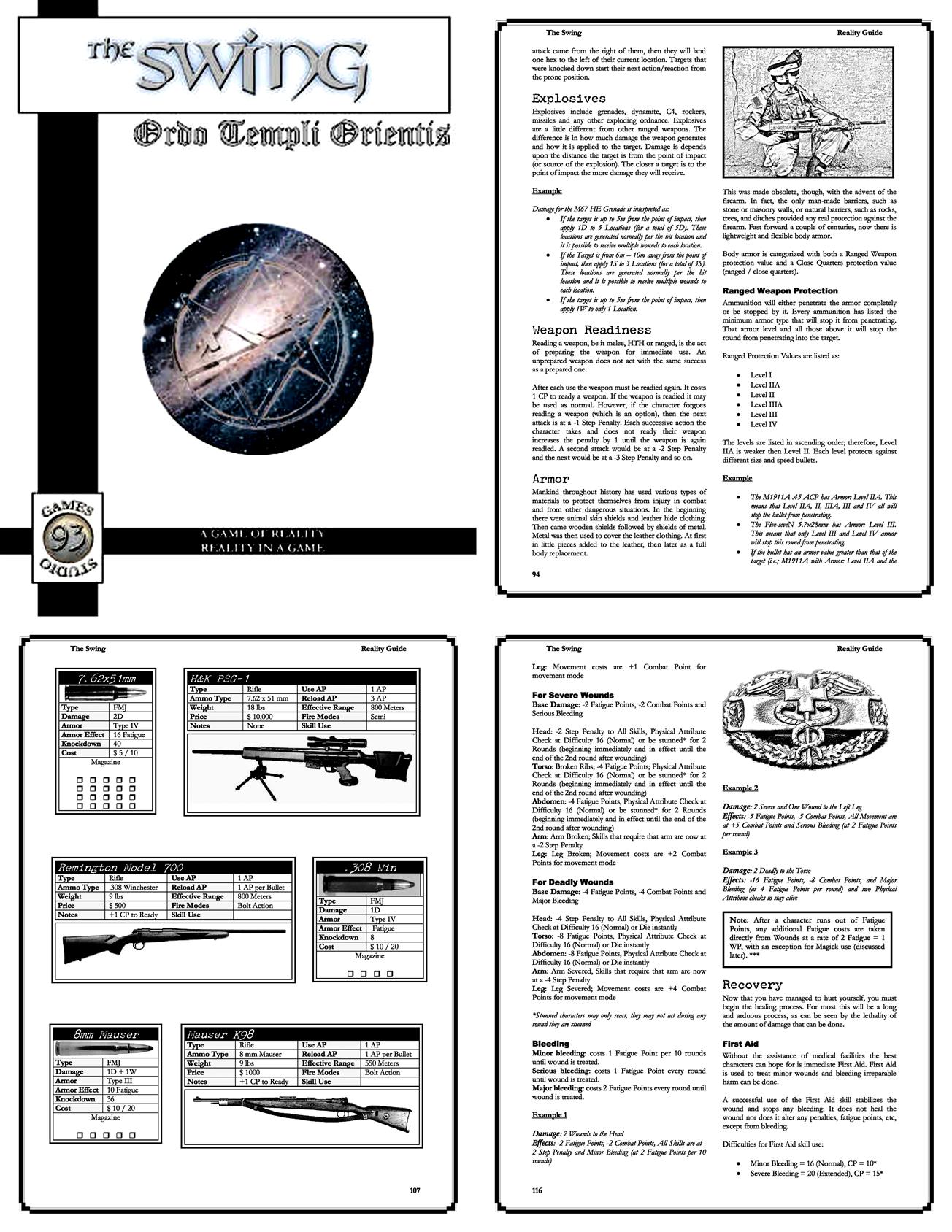
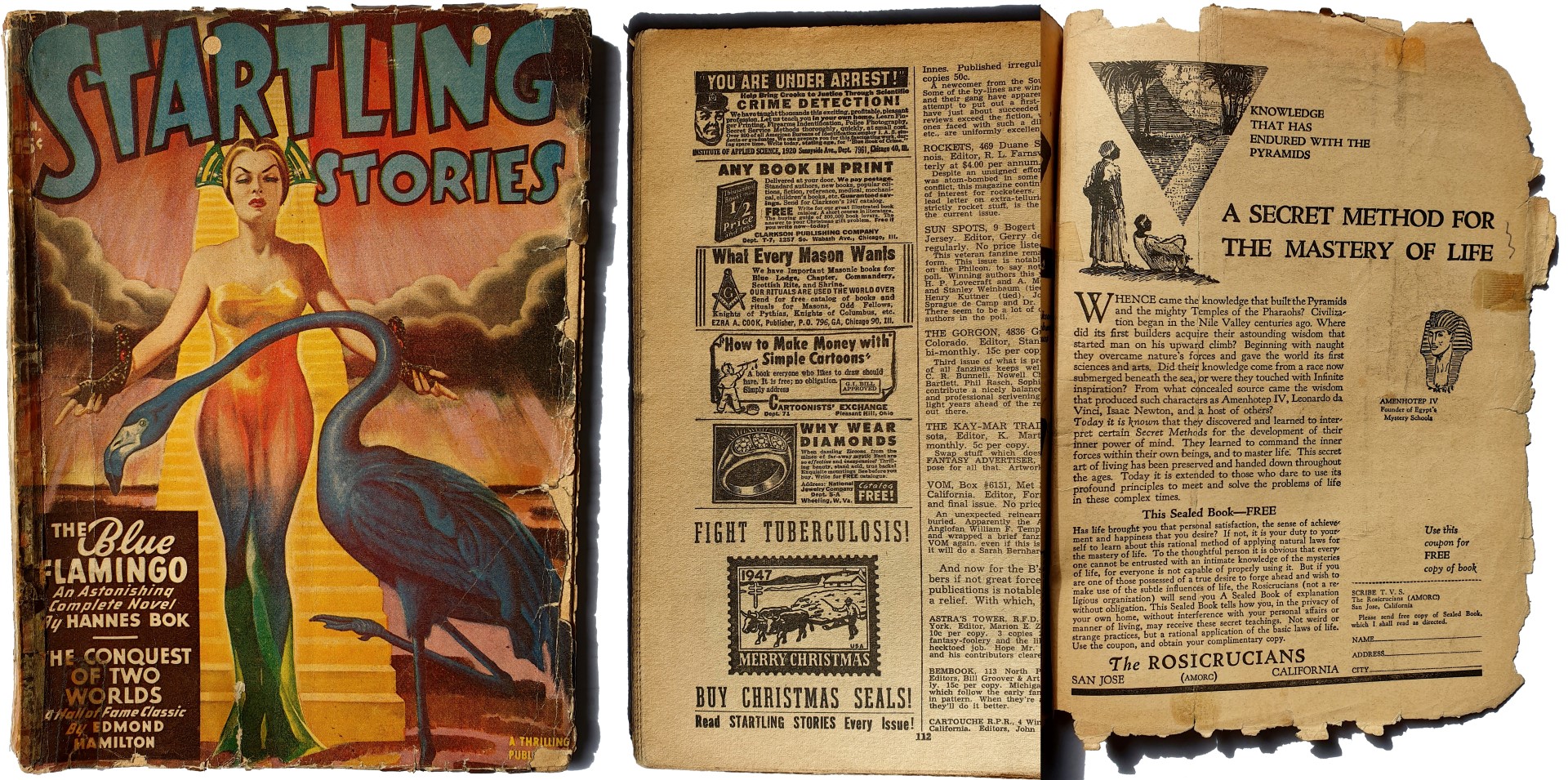
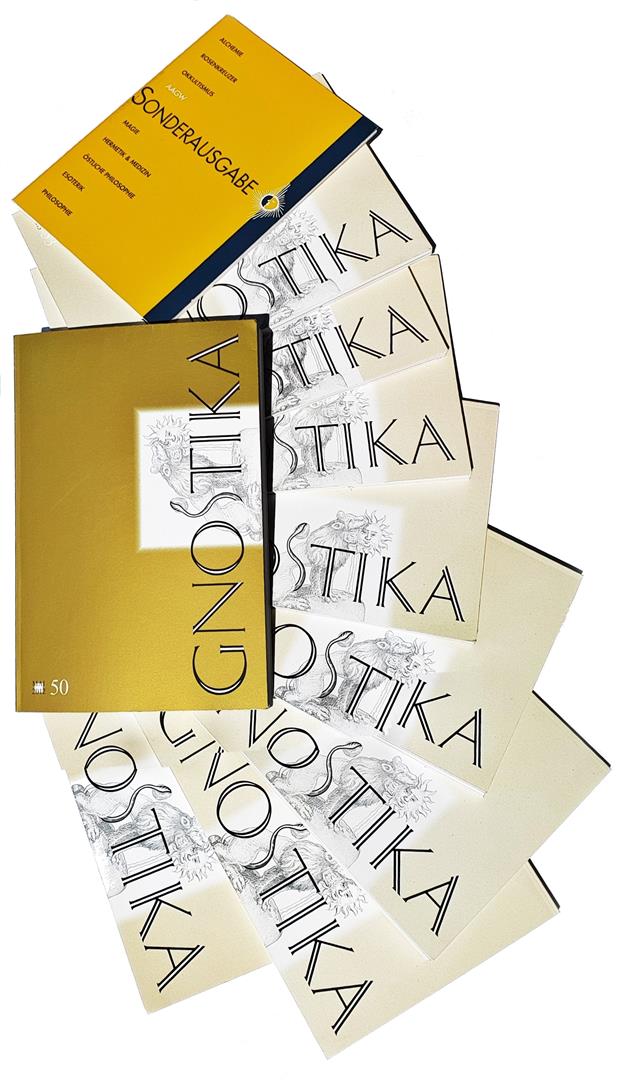
A shorter German version of this essay appeared as “Lücken im Drehbuch der Esoterik”, in GNOSTIKA #50, Sinzheim 2012.
Search the Parareligion archive.
More about all this in: Andreas Huettl and Peter-R. Koenig: Satan — Jünger, Jäger und Justiz.